The Short Comparison
| Manual | Automatic | |
|---|---|---|
| In a traffic crawl | Constant clutch work | Brake and accelerator only |
| On slopes and flyover ramps | Needs clutch and handbrake control | Much easier |
| Buying price | Lower | Higher for the same model |
| Maintenance | Clutch replacement eventually | Depends on type; fluid changes on most |
| Fuel use | Usually slightly better | Close on modern automatics |
| Resale in the city | Large market | Strong and growing demand |
The Four Types of Automatic
AMT (automated Manual)
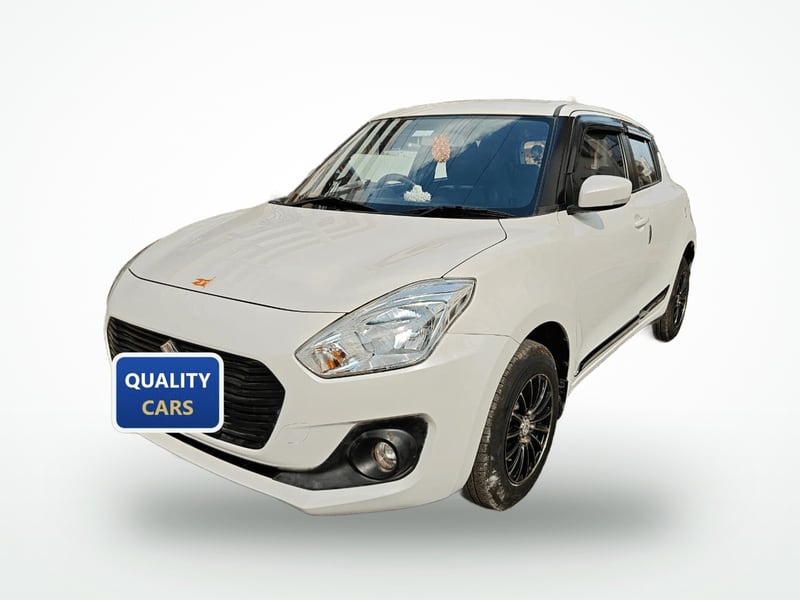
A manual gearbox with a computer working the clutch and gears. Cheap to buy and maintain, and common on Maruti Suzuki (sold as AGS), Tata and Renault small cars. The trade-off is a noticeable pause during gear changes. In traffic you learn to lift off the accelerator slightly as it shifts, and it becomes smooth.
CVT (continuously Variable Transmission)
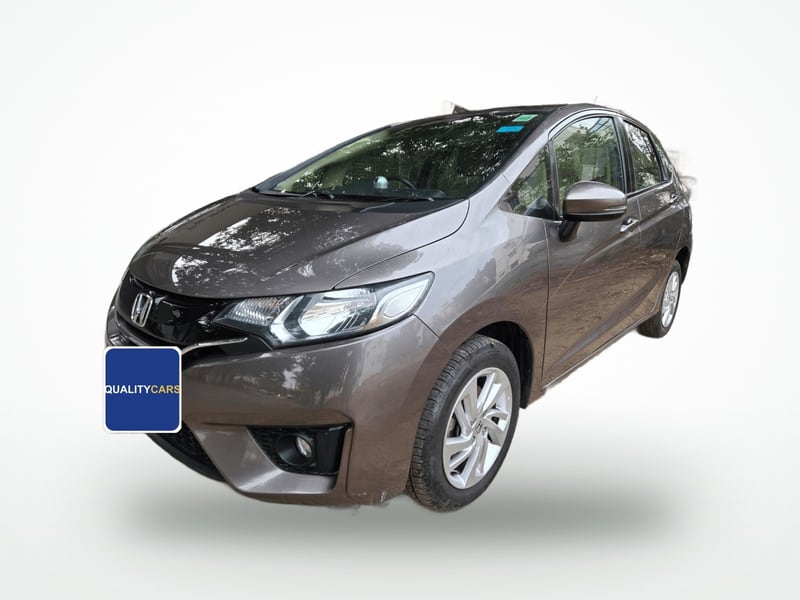
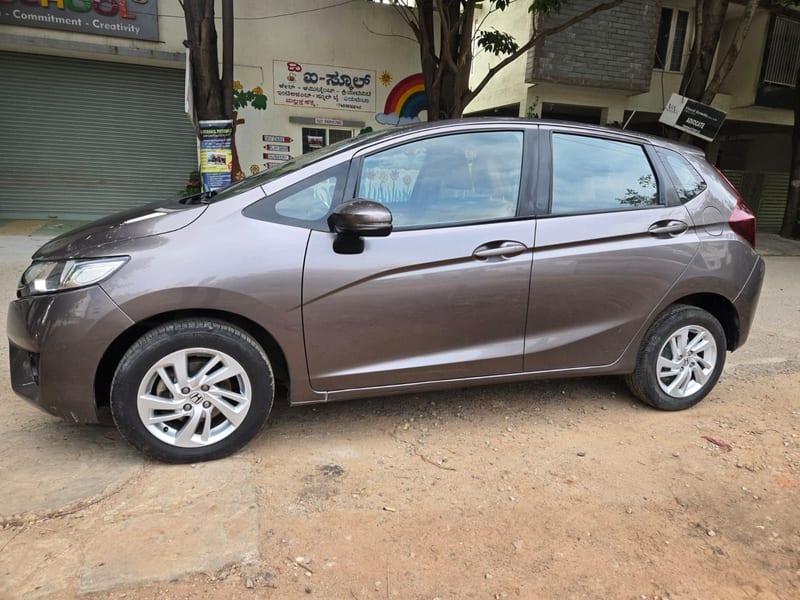
No fixed gears; it changes ratio continuously, so it is very smooth in stop-start driving. Used by Honda on cars such as the City and Jazz, and by several other makers. Under hard acceleration the engine can sound busy. Look after it with fluid changes at the interval the maker specifies.
Torque Converter
The traditional automatic, used in many larger cars and SUVs, including automatic versions of the Toyota Innova Crysta and Fortuner. Smooth, robust and good at creeping in traffic. Slightly heavier on fuel than the others on older designs.
DCT / DSG (dual-clutch)
Two clutches pre-select the next gear, so changes are very fast. Used by Volkswagen and Skoda (DSG) and by Hyundai and Kia on turbo-petrol models. It is enjoyable on open roads; in heavy stop-start traffic some dry-clutch units can heat up, so a used one needs a careful test and a clean service record.
| Type | Smoothness in traffic | Cost to own | Used-car check |
|---|---|---|---|
| AMT | Fair; pauses between gears | Lowest | Clutch actuator and clutch wear |
| CVT | Very smooth | Low to moderate | Fluid changes on time; no shudder or whine |
| Torque converter | Very smooth | Moderate | Clean, prompt shifts; no slipping |
| DCT / DSG | Good once moving | Highest if repairs are needed | No judder from standstill; full service history |
How to Test a Used Automatic
- Start from cold if you can and let it idle; it should engage Drive and Reverse promptly, without a thump.
- Creep forward in traffic for a few minutes. There should be no judder, slipping or burning smell.
- Stop on a slope and pull away; it should not roll back excessively (many have hill-hold).
- Accelerate firmly on a clear road: shifts should be clean, and the engine speed should not flare without the car speeding up.
- Ask for the service record and check when the transmission fluid was last changed, if the maker requires it.
When a Manual Is Still the Right Call
- Most of your driving is off-peak or on highways.
- You want the lowest possible price and maintenance cost.
- You enjoy driving a manual and the commute is short.
- The exact model you want is only available as a manual within your budget.