How to Read These Budgets
Used-car prices depend on the exact year, variant, kilometres, number of owners and condition, so two cars of the same model can be lakhs apart. Treat the bands below as a way to set expectations, then look at real cars. Our listings show asking prices and, where we have it, the history of each car.
| Budget | Typical body types | Models to shortlist | Main trade-off |
|---|---|---|---|
| Up to ₹3 lakh | Entry and small hatchbacks | Maruti Suzuki Alto, WagonR; Hyundai Santro; Renault Kwid; older Swift or i10 | Older cars with basic safety equipment; condition matters more than features |
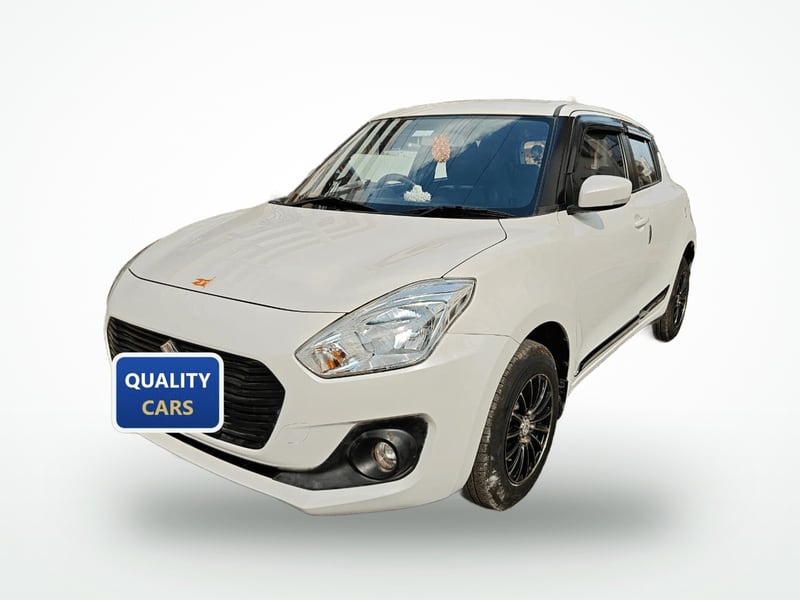
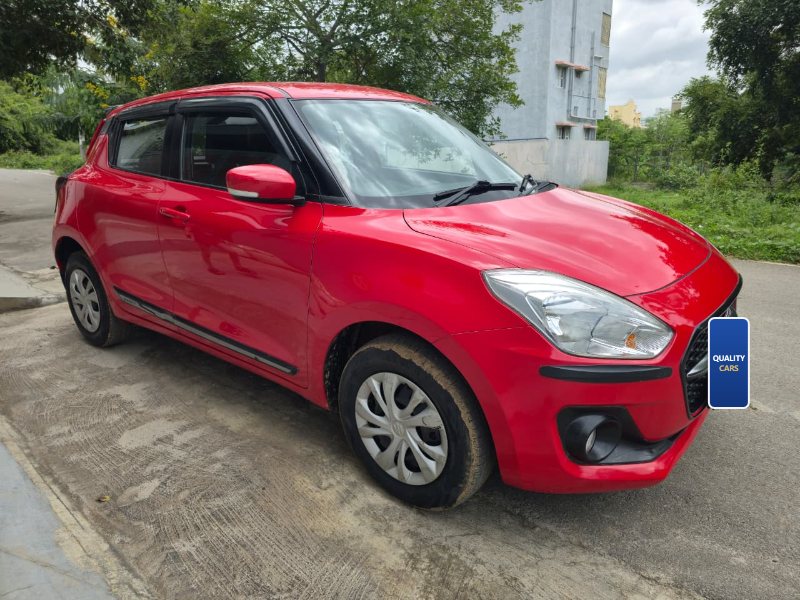
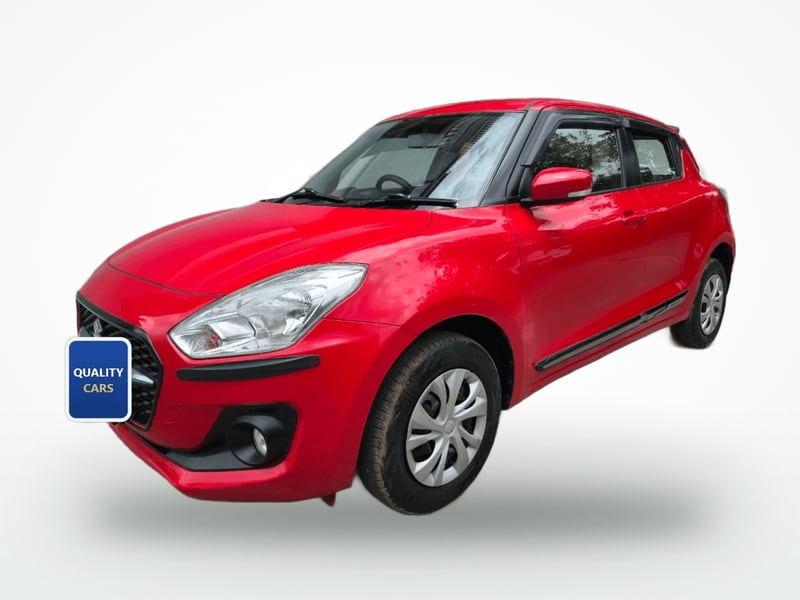
| ₹3–5 lakh | Premium hatchbacks, older sedans and compact SUVs | Maruti Suzuki Swift, Hyundai i20, Honda Jazz, older Honda City or Skoda Rapid | More car for the money, but check age-related wear carefully |
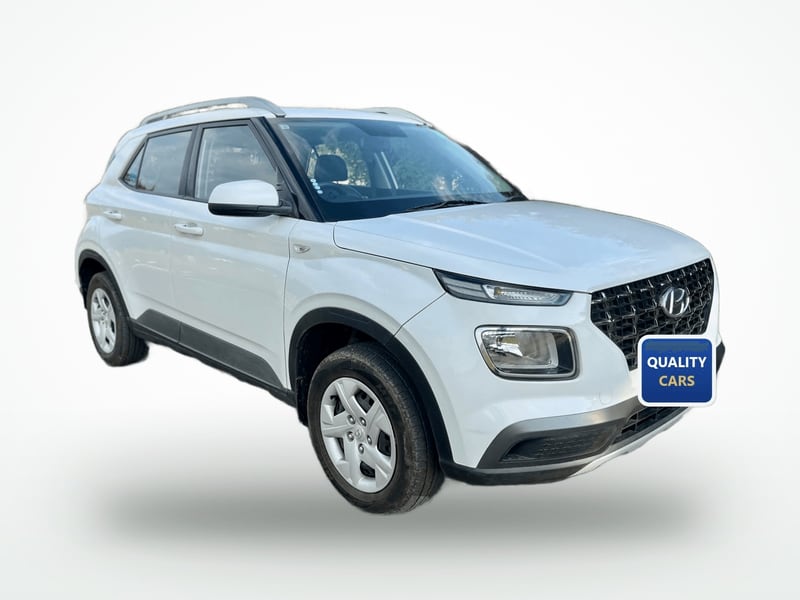
| ₹5–10 lakh | Newer hatchbacks, compact SUVs, sedans, older 7-seaters | Maruti Suzuki Baleno, Hyundai Venue, Ford EcoSport, Toyota Innova, Mahindra XUV500 | Wide choice; decide on space versus age before you start |
Under ₹3 Lakh: Buy the Condition, Not the Badge
At this level you are usually buying a car that is several years old and has had more than one owner. That is fine. What you want is a car that has been looked after, with parts that are cheap and easy to find.
- Stick to the big service networks. Maruti Suzuki and Hyundai parts are available almost everywhere, which keeps an old car affordable.
- Prefer petrol. A small petrol engine is simpler and cheaper to repair than an old diesel.
- Check the rust and the floor. Look under the mats and in the boot; water damage and rust are the costly surprises in older small cars.
- Budget for tyres and a battery. On an older car, they are often due.
₹3–5 Lakh: The Most Choice per Rupee
This is where used cars make the most sense. A premium hatchback that was out of reach new becomes affordable, and older sedans from Honda, Hyundai and Skoda offer a lot of space and comfort.
- Premium hatchbacks (Swift, i20, Jazz, Baleno): easy in Bengaluru traffic, comfortable enough for highway trips.
- Older sedans (City, Verna, Rapid): a big boot and a quieter ride. Keep an eye on suspension wear and the cost of parts as they age.
- Automatics start appearing in this band. An AMT or CVT hatchback can transform a daily commute; see automatic vs manual for Bangalore traffic.
₹5–10 Lakh: Decide between Newer and Bigger
With up to ₹10 lakh you face a real choice: a newer, lower-kilometre hatchback or compact SUV, or an older but much larger car such as a seven-seater. Neither is wrong; it depends on how many people you carry and how long you plan to keep the car.
| Newer hatchback or compact SUV | Older 7-seater or large SUV | |
|---|---|---|
| Running costs | Lower: smaller engine, cheaper tyres | Higher: bigger engine, heavier car |
| Space | Four adults comfortably | Six or seven, plus luggage |
| Features and safety | More modern equipment | Depends on age and variant |
| Maintenance risk | Lower | Higher; history matters more |
| Best for | City-focused couples and small families | Large families, frequent long trips |
The Money to Keep Aside
The asking price is not the whole bill. Plan for these before you settle on a budget:
- Insurance in your name, either by transferring the existing policy or starting a new one.
- RC transfer fees at the RTO, and loan-related charges if you are financing.
- A first service: oil, filters and anything the inspection flagged.
- Wear items: tyres, battery, wiper blades and brake pads if they are near the end.
If you are taking a loan, work out the EMI first on the EMI calculator and then decide the budget, not the other way round.